
Advice For Buying A Leasehold Property
When you buy a property in the UK, you need to know what you’re buying. As it turns out, you can’t trust the people you’re supposed to be able to count on to have your back. Something to be aware of when purchasing property, particularly newly built homes, is the potential for a conflict of interest.
Always get your legal advice from an independent conveyancing solicitor and never from a nominated solicitor of any home builder or property developer.
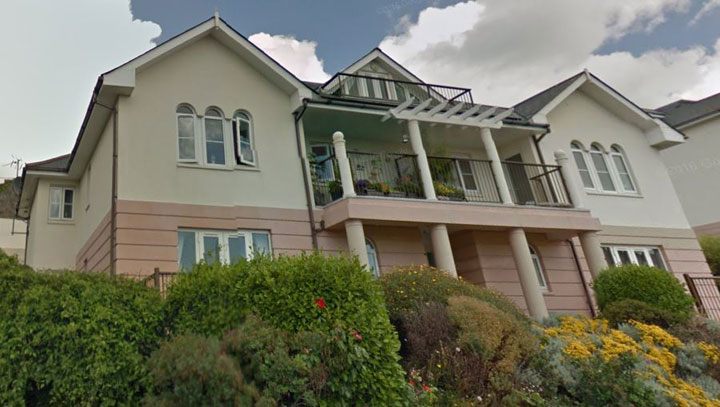
Taylor Wimpey Leasehold Extortion Scandal
Last year, the Guardian reported one case in Ellesmere Port, Cheshire, which saw a homeowner stung with a £32,000 purchase fee to buy the freehold because the property development firm had arranged the leasehold house on 999-year terms that was later sold on to E & J Estates, whose new price was £32,000 to purchase the freehold. Without coughing up the cash, it raises problems when you try to sell the property.
Another home buyer thought he’d grabbed a bargain by snatching up a four-bedroom property for just £122,000, but again in true Taylor Wimpey fashion, the freehold was arranged on a 999-year leasehold terms and sold to E & J Estates.
If it’s not clear yet what’s happening, “the company’s strategy [is] to sell the freeholds to investment companies”. One where there’s already a buyer lined up, which is why the homes are cheaper upfront, but pricier further down the line.
Buyer Beware!
Worse than that is that when they sell the new build properties to home buyers, the development firm provides up to £4,000 of legal expenses to go towards conveyancing costs, but only with a nominated solicitor. That’s a clear conflict of interest and should never happen.
Justin Madders, a Labour MP, had this to say to the Telegraph…
“They have pursued a business strategy that was far from transparent and has left countless people in a less secure position than they thought they would be in.”
Reforms are needed, but it’s not happening.
Buying a leasehold house: Problems will follow
Leaseholds have their place in property management, but not for houses and bungalows. There should be a clear need for one to be in place. When a property developer buys the land to build on, they should be accountable for their actions about how they sell the property and the ground they build on.
Currently, they can build and do one of two things:
- Sell you the property and the land as a freehold property
- Sell you the home with full ownership and charge rent for the ground on which it was built. That’s your ground rent, and that is what’s happening with leaseholds.
Leasehold houses have no purpose other than property maintenance, which is a clear-cut need only with flats. Everyone needs to chip in for block maintenance, rather than leaving only the top-flat owners to pay for the roof repairs.
Some buildings managed by Trusts, such as heritage sites, do need to use leaseholds to ensure a high standard of maintenance to keep the property in good shape. This is not the case for new-build houses, though.
Campaigners want reform to leaseholds to ensure home builders can prove there’s a need to sell a home with one rather than just using it as a business strategy to increase profits. With legislation being murky on the issue, there’s no transparency.
Furthermore, there’s the issue of conflicts of interest. It’s not just conveyancing solicitors who can be at risk of this. There’s the issue of where any contracts are awarded. A freeholder (the landlord of the land a leasehold property is on) has the power to award contracts to any contractor of their choosing, subject to consultation. Any amount over £250 per homeowner that must be paid requires a consultation with the leaseholders before approval.
In some cases, that doesn’t happen; other times it does. What can happen, though, is that property investment firms can form separate companies for property maintenance contracts, and those are the companies awarded the jobs. The ones the investment firms are invested in. That gives them more than one way to maximise their profits from a leasehold property because leaseholders are then at the mercy of not just the fees, but the price they are charged for work to be done on the property. Without transparency, there are dodgy dealings.
2017 The Worst Year for Leaseholders
The UK’s leading expert on leaseholds, Louie Burns of Leasehold Solutions had this to say about the current leasehold situation…
“It is no exaggeration to say that 2016 was the worst year to be a leaseholder in recent times. From increasing the costs of seeking a resolution through the courts to a seismic decision on how the value of leasehold extensions is calculated to a new ruling that affects leaseholders’ right to manage their block, power has been steadily concentrated with already powerful freeholders to the detriment of leaseholders.
“I’m afraid this trend looks set to continue during 2017, perpetuating the many injustices and inequalities of the UK’s feudal and outdated leasehold system.”
This is regarding the valuation for buying the freehold of a leasehold house or flat. Freeholds are valued as investments, and until that changes, any reform will always favour the investor, leaving leaseholders at their mercy.
There simply isn’t enough being done to change how leaseholds are valued and managed.
I’m Thinking of Buying the Freehold of my House. How do I do that?
There are two ways you can buy the freehold of a house. The first is to ask the freeholder. They will either be open to negotiation or flat-out refuse. Since these are investors, they can be tricky to have informal discussions with, so you may need to take a formal approach. In England and Wales, you have the right to buy your freehold, regardless if it’s been sold to another management firm. It’s only a question of price.
Lease-Advice.org has an informal letter you can download to get the ball rolling. If you need expert legal advice on the process, they also have a directory of Leasehold Practitioners.
You will need to get legal advice for a freehold valuation from a leasehold practitioner.
Freehold purchase solicitors’ fees can be expensive, sometimes in the region of £2,500, and they can tell you about any applicable freehold valuation fees you can expect, as well as the additional costs that buying a freehold can incur.
While the leasehold is in place on a house, it can harm your property’s worth, mainly because it can make it difficult, and sometimes nearly impossible, to sell if you want to move. With flats, it’s different as there needs to be a management process to maintain the building, but it’s advised that the leasehold on a flat shouldn’t go below 83 years. The less time there is on the leasehold, the more difficult the selling process is.
Leaseholds have their place in flats as there is a clear need. As reform is set to take place, the current climate isn’t looking suitable for freehold houses, which can impact house values when a property is under a leasehold agreement. That’s also something lenders will consider during the application, as the cost of buying the freehold from the owners can be in the tens of thousands, unless the government enforces strict rules on how property investment firms handle leasehold sales.
For those planning to buy any newly built property, be sure to check the terms for any leasehold arrangements as they can be sold at any time, so what you’re told you can buy it for (usually £5,000) isn’t the case once the freehold has been sold onto an investment firm. After that, the new freehold owner can charge whatever they like.
In addition, when you’re buying any home, hire your independent conveyancing solicitor and do not take any deals that stipulate the offer to be valid with only the seller’s nominated legal advisor. They will get you a cheaper deal, sometimes free conveyancing. A sad state of our economy is that loyalty has a price tag. It goes to the person paying the bill.
Related Reading:
- Remortgaging to Repay a Help-to-Buy Loan
- 7 Tips to Assure Lenders that You’re a Responsible Borrower
- Can you get equity release on a property that is leasehold?
Do secured loan lenders discriminate against leasehold property titles?
If you ask, can you get a homeowner loan with bad credit if I have a leasehold home? You can get a secured loan on a leasehold property, but some lenders, on occasion, can “haircut” the property’s valuation.
Are you searching for 25000 loans regardless of your credit record?
The key features of loans for 25k are stringent eligibility criteria, the impact of credit card payment arrears, a disappointing home valuation, and evidence of gambling on bank statements.
Considering a fast 2nd mortgage rate to pay for debt consolidation?
The main characteristics of 2nd charge mortgage rates are long loan terms, the effect of a default notice, the 3rd-party valuation of the home pledged as collateral, and evidence of too many credit applications. Debt consolidation loans in 2026 are very popular.
Can you borrow for fixed-rate homeowner loans without an early repayment charge?
The main characteristics of fixed-rate secured loans are early repayment fees, the impact of loan arrears, the delays in the lender’s valuation and evidence of a fraudulent application.
Are you considering secured loans with no phone call, regardless of your credit status?
The main features of a secured loan with no phone call are intolerance of bad credit, the impact of CCJs, a discounted home valuation, and the borrower not being on the electoral register.
Are you considering a homeowner application for secured loans for bad credit without a second charge on your home?
The main characteristics of homeowner bad credit loans are inflexible eligibility criteria, the effect of defaults, the delays in the lender’s valuation, and the evidence of too many credit applications.
Can you borrow for secured loans for poor credit to repay my logbook loans?
The key characteristics of bad credit loans with security are the score from the credit report, the effect of default notices, the delays in the property valuation and the evidence of payday loans on bank statements.

